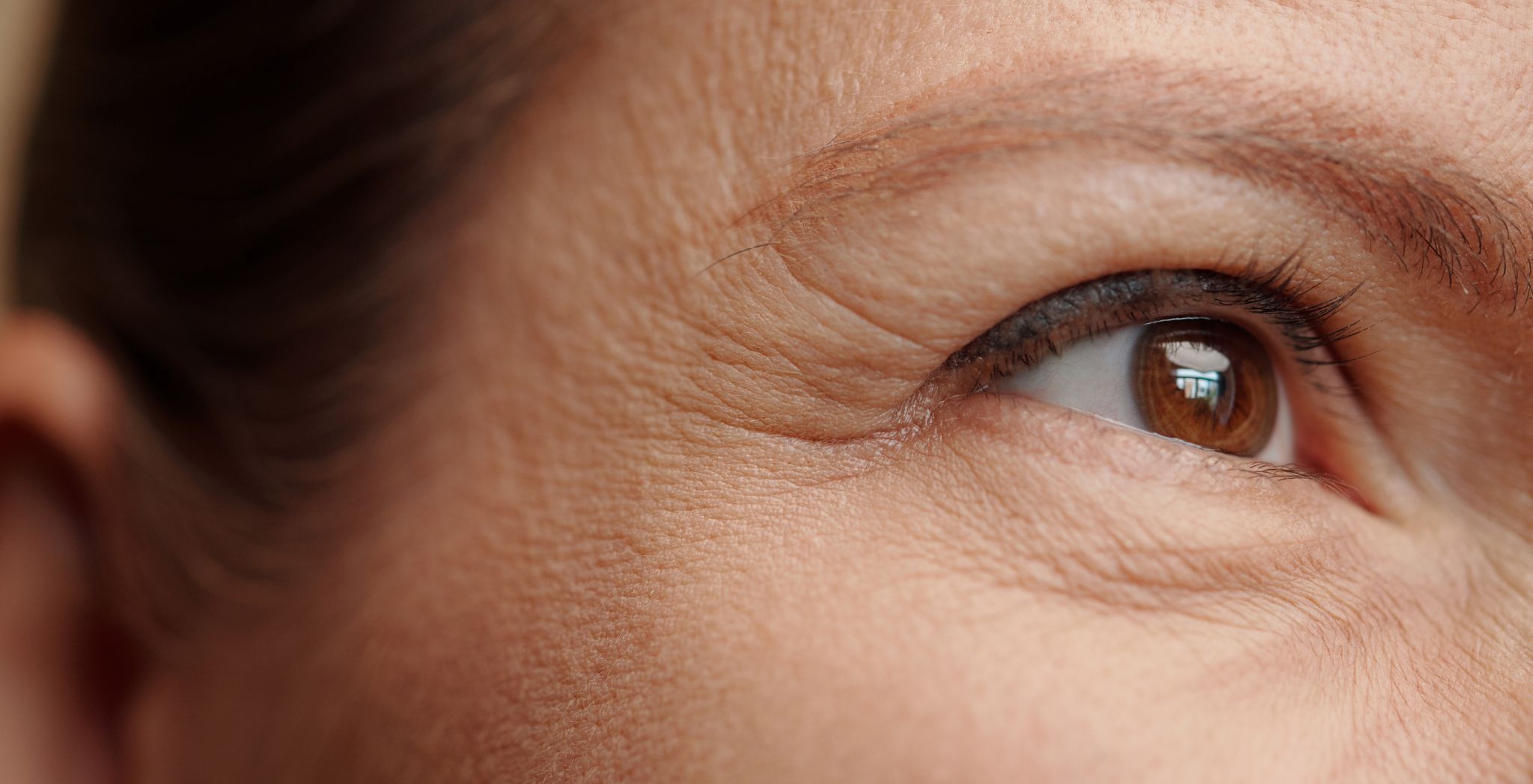
Imagine looking in the mirror and seeing not just your reflection but a story etched onto your skin – a roadmap of laughter lines, furrowed brows of concentration, and the gentle creases that speak of time well-lived. These are wrinkles, and they are a normal part of ageing.
Think of a favourite old photograph. Over time, the paper might develop deeper creases and folds, losing some of its original smoothness. Our skin, in a way, is like that photograph. It’s constantly exposed to the elements, our expressions, and the natural aging process, all of which can contribute to the formation of those more pronounced lines we call deep wrinkles.
Some people choose to have treatment to soften the appearance of deeper lines, and others choose not to. Both are valid choices.
This journey to smoother skin starts with understanding what these deep wrinkles are, why they appear, and, most importantly, what we can do about them. This article explains the treatment options, what they involve, and the risks to consider.
What Causes Deep Wrinkles?
To effectively address deep wrinkles, it’s helpful to understand their origins. They aren’t simply exaggerated versions of fine lines; several factors contribute to their development:
- The Passage of Time: This is the most fundamental cause. As we age, our skin naturally loses collagen and elastin – the vital proteins that provide structure, elasticity, and firmness. Think of collagen as the scaffolding that holds our skin up and elastin as the springs that allow it to bounce back. With less of these proteins, the skin becomes thinner, less resilient, and more prone to sagging and the formation of deeper creases.
- Repeated Facial Expressions: Remember those laughter lines we mentioned? Every time we smile, frown, squint, or make any facial expression, the underlying muscles contract. Over the years and decades, these repeated movements create creases in the skin. Initially, these lines are dynamic, meaning they only appear when we make the expression. However, as our skin loses its elasticity, these dynamic lines can become static, meaning they are visible even when our face is relaxed, eventually deepening into more prominent wrinkles. Imagine folding a piece of paper repeatedly in the same spot – eventually, a permanent crease will form.
- Sun Exposure (Photoaging): This is a major culprit in premature aging and the development of deep wrinkles. Ultraviolet (UV) radiation from the sun damages collagen and elastin fibres, accelerating their breakdown. Sun exposure also leads to the production of abnormal elastin, which further hinders the skin’s ability to repair itself. Think of leaving a rubber band out in the sun for too long – it becomes brittle and loses its stretch. Similarly, sun-damaged skin loses elasticity and becomes more susceptible to deep wrinkling.
- Genetics: Our genes play a role in our skin’s structure and how it ages. Some people are genetically predisposed to developing deeper wrinkles earlier than others. You might notice similarities in how your skin ages compared to your parents or grandparents.
- Lifestyle Factors: Certain lifestyle choices can exacerbate the formation of deep wrinkles. Smoking, for instance, restricts blood flow to the skin, hindering its ability to repair and regenerate. Poor nutrition can also impact skin health, as can dehydration. Even sleep deprivation can contribute to a dull complexion and potentially accelerate the appearance of wrinkles over time.
Common Areas Affected
Deep wrinkles tend to appear in areas where facial muscles are most active and where the skin is naturally thinner or more prone to sun exposure:
- Forehead: Horizontal lines across the forehead, often referred to as worry lines, can become quite deep due to repeated raising of the eyebrows. Vertical lines between the eyebrows, known as glabellar lines or “eleven lines,” are also common due to frowning and squinting.
- Around the Eyes: Crow’s feet, the fine lines that radiate outwards from the corners of the eyes, can deepen over time due to smiling, squinting, and the delicate nature of the skin in this area.
- Around the Mouth: Nasolabial folds, the lines that run from the sides of the nose to the corners of the mouth (sometimes called smile lines), can become more pronounced with age and loss of volume in the cheeks. Marionette lines, which extend downwards from the corners of the mouth towards the chin, can also deepen, contributing to a more aged appearance.
- Neck: The skin on the neck is thinner and has fewer oil glands than the face, making it susceptible to wrinkling. Horizontal neck bands can become more prominent with age and the loss of elasticity.
Non-Surgical Treatments for Deep Wrinkles
Non-surgical treatments can soften the appearance of some deep wrinkles. Results vary from person to person, and all of these treatments carry risks.
Understanding Consultations for Facial Rejuvenation
Our clinic offers consultations to discuss various options for facial rejuvenation, including treatments that address the appearance of lines and wrinkles, and those that restore lost facial volume.
Addressing Lines and Wrinkles
For concerns related to lines and wrinkles formed by facial expressions, we offer consultations about a treatment that involves a purified substance to temporarily relax specific facial muscles. This can help to smooth the overlying skin, reducing the appearance of dynamic lines.
Imagine softening a taut area to allow the surface to appear more even.
Common areas where we can discuss options for addressing lines and wrinkles include:
- Horizontal lines on the forehead.
- Vertical lines between the eyebrows.
- Lines around the eyes.
During your consultation, we can explain the procedure, which involves small injections. Discomfort varies from person to person. Common side effects include pain, swelling, redness or bruising at the injection sites and headache. Less commonly, the eyebrow or eyelid can droop temporarily. The effects typically become noticeable within a few days, with full results visible in approximately one to two weeks. The results are temporary, usually lasting for three to six months, after which muscle action gradually returns. Further treatment is needed if you want to maintain the effect. Whether to repeat it is your choice.
Restoring Facial Volume
For deep lines, creases, and areas where volume has been lost, we offer consultations about treatments that involve injectable gels. These gels are typically made of hyaluronic acid, a substance naturally present in the body that helps maintain skin hydration and plumpness.
Think of these treatments as replenishing fullness to areas that have become hollowed or creased.
These treatments may be considered for areas such as:
- Lines extending from the nose to the corners of the mouth.
- Lines extending downwards from the corners of the mouth.
- Volume in the cheeks.
- In some cases, these treatments can be discussed in conjunction with other options for more pronounced lines on the forehead and between the eyebrows.
The consultation process will cover the injection technique, which focuses on adding volume. The results are typically noticeable immediately and can last from six months to two years or longer, depending on the specific treatment discussed and the area treated. Common side effects include swelling, bruising, tenderness and lumps. A rare but serious risk is the filler blocking a blood vessel, which can damage the skin and, very rarely, cause loss of vision.
Choosing the Right Approach
Determining the most suitable approach for your concerns depends on the specific type and location of your lines and volume loss, as well as your individual aesthetic goals. A qualified practitioner will conduct a thorough assessment of your facial anatomy and discuss a personalized treatment plan with you during your consultation.
Benefits of Wrinkle Treatments at a Dental Clinic
You might be wondering, “Why would I consider getting wrinkle treatments at a dental clinic?” While it might seem unconventional, dentists who are trained in facial aesthetics have a detailed understanding of the anatomy of the face, including the muscles, nerves, and underlying structures.
Think of it this way: Dentists are trained in the anatomy of the mouth, jaw and face, where many lines appear.
Here are some key benefits of choosing a dental clinic for your wrinkle
Treatments:
- Extensive Knowledge of Facial Anatomy: Dentists are trained in the anatomy of the facial muscles and nerves.
- Experience with Injections: Administering local anesthesia for dental procedures requires precision and skill with injections, which is relevant experience for cosmetic injectables. Cosmetic injectables still require additional training.
- Focus on the Entire Face: Dentists are trained to consider the overall harmony and balance of the face, and how any treatment would suit your natural features.
- Convenience and Trust: If you already have a trusted dentist, it can be convenient to explore facial aesthetic treatments within a familiar and comfortable setting. For example, if you are in the Dentist Claremont area, you might find a local dental clinic offering these services.
- High Standards of Hygiene and Safety: Dental clinics adhere to strict hygiene and safety protocols for all procedures.
It’s important to note that not all dentists offer cosmetic injectable treatments. Look for clinics where dentists have undergone specific training in facial aesthetics and have a good understanding of the different types of wrinkles and the appropriate treatments.
Post-Treatment Care and Expectations
After undergoing non-surgical wrinkle treatments, it’s essential to follow the specific aftercare instructions provided by your practitioner to help minimise potential side effects.
Cosmetic Injections:
- Avoid rubbing or massaging the treated area: This can cause the product to spread to unintended muscles.
- Stay upright for a few hours: Avoid lying down immediately after treatment.
- Avoid strenuous exercise for 24 hours: Increased blood flow can potentially diffuse the product.
- Expect minor redness or swelling: These are usually mild and subside quickly. Bruising can also occur.
- Be patient: Results will gradually appear over several days.
Facial Volumising Treatments:
- Apply a cold compress: This can help reduce swelling and bruising.
- Avoid strenuous exercise for 24-48 hours: Similar to cosmetic injections, to minimise swelling.
- Avoid touching or massaging the treated area: Unless instructed by your practitioner.
- Stay hydrated: Drink plenty of water.
- Expect swelling and bruising: These are more common and can last for a few days to a week. The final result may not be fully visible until these subside.
- Avoid excessive sun exposure: Especially if there is bruising.
It’s crucial to have realistic expectations about the results of non-surgical treatments. They can soften the appearance of deep wrinkles, but they are not a permanent solution and will not erase all lines. Results vary from person to person.
The longevity of the results varies depending on the type of treatment, the product used, and individual factors such as metabolism and lifestyle. The effect wears off, so further treatment is needed if you want to maintain it.
Deep wrinkles are a natural part of the ageing process. Understanding the causes of these lines and the various non-surgical treatment options available empowers you to make informed decisions about your skin health.
Whether you opt for the cosmetic injections or the volume-restoring effects, or a combination of both, the journey to smoother skin starts with exploring your options and consulting with a qualified practitioner.
Take time to consider your options, ask about the risks, recovery and ongoing costs, and remember that not having treatment is always an option.


 .

