Dealing with a broken tooth can be stressful and painful. Whether you’ve chipped a tooth on hard food, cracked it during sports, or experienced sudden dental trauma, understanding your repair options and associated costs is essential for making informed decisions about your oral health.
At Bayview Dental, we provide comprehensive broken tooth repair services across Perth. This guide covers everything you need to know about broken tooth repair costs, treatment options, and what to expect during your visit.
Understanding Broken Teeth: Types and Severity
Not all broken teeth are the same. The treatment you need depends on the type and severity of the damage.
Minor Chips and Cracks
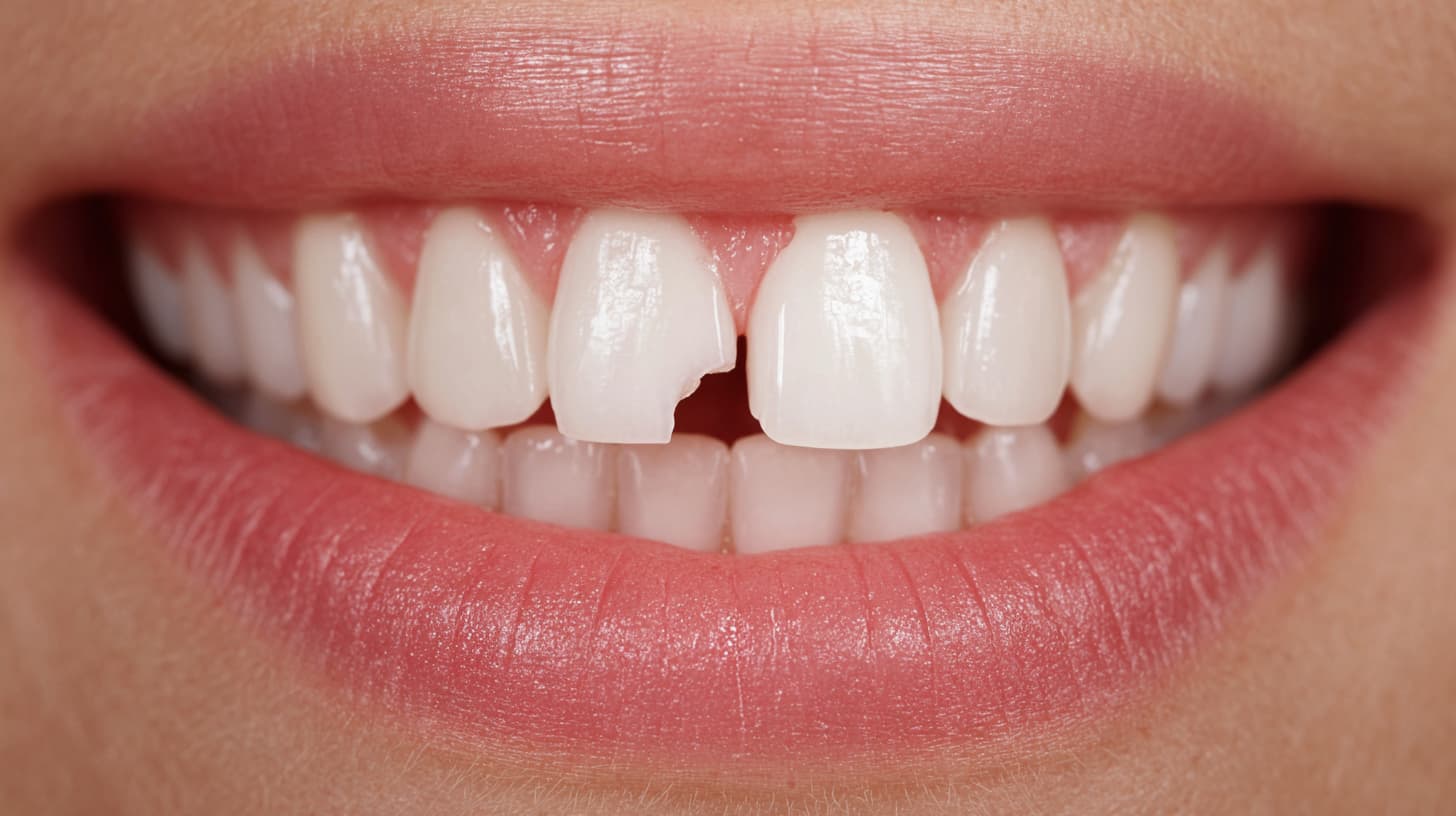
Small chips on the tooth’s edge or surface are common and typically the easiest to repair. These may not cause immediate pain but should still be addressed to prevent further damage and maintain your smile’s appearance.
Moderate Fractures
Cracks that extend deeper into the tooth structure may expose the dentin layer beneath the enamel. This type of damage often causes sensitivity to temperature and pressure, requiring more extensive treatment than simple chips.
Severe Breaks and Root Fractures
Breaks that extend into the tooth’s pulp chamber or affect the root require urgent attention. These injuries typically cause significant pain and may lead to infection if left untreated.
Broken Tooth Repair Options in Perth
Dental Bonding
Dental bonding is one of the most cost-effective solutions for minor to moderate tooth damage. During this procedure, your dentist applies a tooth-coloured composite resin to the damaged area, sculpting it to restore the tooth’s natural shape and appearance.
Best for: Small chips, minor cracks, cosmetic improvements
Procedure time: Typically 30-60 minutes per tooth
Longevity: 5-10 years with proper care
Advantages: Same-day treatment, minimal tooth preparation, natural appearance, affordable
Porcelain Veneers
Veneers are thin shells of porcelain custom-made to cover the front surface of damaged teeth. They provide an excellent solution for front teeth that are chipped, cracked, or discoloured.
Best for: Front teeth with moderate damage, cosmetic concerns, multiple imperfections
Procedure time: Usually requires two visits over 2-3 weeks
Longevity: 10-15 years or longer
Advantages: Superior aesthetics, stain-resistant, durable, natural translucency
Dental Crowns
A dental crown completely covers the damaged tooth, providing protection and restoring function. Crowns are ideal for teeth with extensive damage that cannot be adequately repaired with bonding or veneers.
Best for: Moderate to severe breaks, weakened teeth, root canal treated teeth, large fillings
Procedure time: Two visits over 2-3 weeks (or same-day with CEREC technology)
Longevity: 15-30 years with proper care
Advantages: Maximum protection, restores full function, highly durable, various material options
Root Canal Treatment
When a break exposes the tooth’s pulp or causes infection, root canal treatment becomes necessary. This procedure removes damaged pulp tissue, cleans the root canal system, and seals the tooth to prevent further infection.
Best for: Deep cracks, pulp exposure, infected teeth, severe pain
Procedure time: 1-2 visits, 60-90 minutes per session
Follow-up care: Usually requires a crown for protection
Advantages: Saves natural tooth, eliminates infection and pain, prevents extraction
Tooth Extraction and Replacement
In cases where a tooth is too severely damaged to repair, extraction followed by replacement becomes the best option. Modern replacement options include dental implants, bridges, or partial dentures.
Best for: Irreparable damage, severe root fractures, extensive decay
Replacement options: Dental implants, fixed bridges, removable partial dentures
Timeline: Varies depending on replacement choice
Advantages: Removes source of pain and infection, prevents complications
Broken Tooth Repair Costs in Perth
Understanding the cost of broken tooth repair helps you plan financially and make informed treatment decisions. Prices can vary based on the severity of damage, chosen treatment, and individual circumstances.
Dental Bonding Costs
Price range: $200 – $500 per tooth
Dental bonding is typically the most affordable repair option. The exact cost depends on the size and location of the damage, with front teeth generally costing slightly more due to higher aesthetic demands.
Porcelain Veneer Costs
Price range: $1,200 – $2,500 per tooth
Veneers represent a mid-to-high range investment. The cost reflects the custom laboratory work required and the superior aesthetic results they provide.
Dental Crown Costs
Price range: $1,500 – $3,000 per tooth
Crown costs vary based on the material chosen. Porcelain crowns tend to be more expensive than porcelain-fused-to-metal crowns, while zirconia crowns fall in the upper price range due to their exceptional strength and appearance.
Root Canal Treatment Costs
Price range: $1,200 – $2,500 depending on tooth location
Front teeth (incisors) are typically less expensive to treat than molars, which have multiple root canals requiring more complex treatment.
Extraction and Replacement Costs
Extraction: $200 – $500
Dental implant: $4,500 – $6,500 (including crown)
Fixed bridge: $3,000 – $5,000
Partial denture: $1,500 – $3,000
While extraction itself is relatively affordable, replacement options represent a significant investment, with dental implants offering the most durable and natural-looking results.
Factors Affecting Broken Tooth Repair Costs
Several variables influence the final cost of your broken tooth repair:
Severity and Location
More extensive damage requires more complex treatment. Front teeth may cost more to repair aesthetically, while back teeth might need stronger, more durable materials due to chewing forces.
Material Selection
Premium materials like all-porcelain or zirconia crowns cost more than traditional options but offer superior aesthetics and longevity.
Urgency of Treatment
Emergency dental appointments may incur additional fees, particularly outside regular business hours. However, seeking prompt treatment often prevents more expensive complications.
Additional Procedures
Some repairs require preparatory work such as tooth buildups, gum treatments, or bone grafting, which add to the overall cost.
Insurance Coverage for Broken Tooth Repair
Most Australian private health insurance policies provide some coverage for broken tooth repair, though the extent varies significantly between policies and providers.
What’s Typically Covered
Basic coverage: Many policies cover preventive care and basic restorative treatments like fillings and extractions at 60-80%.
Major dental work: Crowns, root canals, and implants are usually covered at 50-60% after waiting periods.
Annual limits: Most policies have annual benefit caps, typically ranging from $1,000 to $2,000.
Medicare and Public Dental Services
The Australian Medicare system provides limited coverage for dental emergencies through public dental services, primarily for those holding concession cards or experiencing severe pain and infection. Waiting periods can be significant for non-emergency treatments.
Payment Plans and Financing
Bayview Dental offers flexible payment options to help make your treatment more affordable:
- Interest-free payment plans for eligible patients
- Afterpay and other buy-now-pay-later services
- Direct claims processing with major health funds
- Upfront quotes with no hidden costs
Emergency Broken Tooth Treatment in Perth
Dental emergencies don’t wait for convenient times. Knowing what to do when you break a tooth can make a significant difference in the outcome.
Immediate Steps to Take
Rinse your mouth: Use warm water to clean the area gently and remove debris.
Control bleeding: Apply gauze with gentle pressure if the gums are bleeding.
Save the fragment: If you find the broken piece, rinse it and keep it in milk or saliva.
Manage pain: Use over-the-counter pain relievers as directed, avoiding aspirin directly on the gums.
Apply cold compress: Reduce swelling by applying ice to the outside of your cheek.
Contact your dentist: Seek professional care within 24 hours, or immediately for severe breaks.
When to Seek Emergency Care
Contact an emergency dentist immediately if you experience:
- Severe, uncontrolled pain
- Heavy bleeding that won’t stop
- Difficulty breathing or swallowing
- Facial swelling
- Signs of infection (fever, pus, severe swelling)
- Trauma affecting multiple teeth
- Complete tooth avulsion (knocked out)
Preventing Broken Teeth
While accidents happen, many broken teeth can be prevented with proper precautions and care.
Protective Measures
Wear mouthguards: Custom-fitted mouthguards protect teeth during contact sports and high-impact activities.
Avoid hard foods: Be cautious with ice, hard candy, popcorn kernels, and bones.
Don’t use teeth as tools: Never open packages, bottles, or crack nuts with your teeth.
Address teeth grinding: If you grind your teeth at night (bruxism), wear a night guard to prevent stress fractures.
Regular Dental Care
Maintaining strong, healthy teeth reduces the risk of breaks and cracks:
- Schedule dental checkups every six months
- Maintain good oral hygiene with twice-daily brushing and daily flossing
- Address cavities and decay promptly
- Consider fluoride treatments to strengthen enamel
- Discuss dietary choices that support dental health
Why Choose Bayview Dental for Broken Tooth Repair
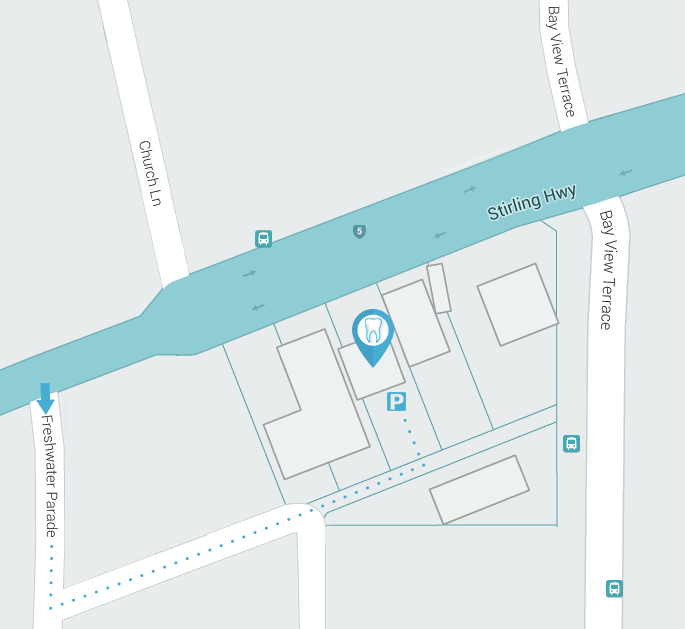
Located conveniently in Claremont, Bayview Dental provides comprehensive broken tooth repair services with a focus on quality care and patient comfort.
Our Approach to Broken Tooth Treatment
Same-day emergency appointments: We understand that dental emergencies can’t wait. We prioritise urgent cases and offer same-day appointments for broken teeth.
Advanced technology: Our practice utilises modern dental technology, including digital x-rays and same-day crown fabrication with CEREC, reducing treatment time and improving outcomes.
Experienced team: Our dentists have extensive experience treating all types of broken teeth, from minor chips to complex fractures requiring multiple procedures.
Transparent pricing: We provide detailed treatment plans with upfront cost estimates, ensuring you understand all options and expenses before proceeding.
Comfortable environment: We prioritise patient comfort with sedation options available for anxious patients and those requiring extensive treatment.
Comprehensive Treatment Planning
Every broken tooth is unique. We take the time to:
- Thoroughly examine and diagnose the extent of damage
- Discuss all appropriate treatment options
- Explain the pros and cons of each approach
- Provide accurate cost estimates
- Work with your insurance provider
- Develop a treatment timeline that suits your schedule
- Follow up to ensure optimal healing and satisfaction
Long-Term Care After Broken Tooth Repair
Successful broken tooth repair extends beyond the initial treatment. Proper aftercare ensures your repair lasts as long as possible.
Immediate Aftercare
Follow post-procedure instructions: Your dentist will provide specific care instructions based on your treatment type.
Manage sensitivity: Some sensitivity is normal after repair. Use sensitivity toothpaste and avoid extreme temperatures initially.
Soft diet: Stick to soft foods for the first few days, especially after crowns or extensive bonding.
Pain management: Take prescribed or recommended pain relievers as directed.
Oral hygiene: Maintain excellent hygiene but be gentle around the repair site initially.
Long-Term Maintenance
Regular dental visits: Continue six-month checkups for professional cleaning and examination.
Good oral hygiene: Brush twice daily with fluoride toothpaste and floss daily.
Avoid harmful habits: Don’t chew ice, bite nails, or use your teeth as tools.
Wear protection: Continue using mouthguards for sports and night guards if you grind your teeth.
Monitor the repair: Contact your dentist if you notice any changes, sensitivity, or concerns.
Signs Your Repair Needs Attention
Contact Bayview Dental if you experience:
- Persistent pain or sensitivity after the initial healing period
- Rough or sharp edges on the repair
- Discolouration around the repair site
- Loosening or movement of crowns or veneers
- Recurring decay around the repair
- Gum inflammation near the treated tooth
Comparing Repair Options: Making the Right Choice
Choosing the best broken tooth repair depends on multiple factors beyond just cost. Consider these aspects when discussing options with your dentist:
Aesthetic Considerations
Front teeth require the highest aesthetic standards. Porcelain veneers and all-ceramic crowns provide the most natural appearance, closely matching surrounding teeth in colour and translucency. While dental bonding can achieve good results, it may not match the longevity and stain resistance of porcelain.
Functional Requirements
Back teeth endure significant chewing forces and may benefit from the superior strength of zirconia or porcelain-fused-to-metal crowns. Front teeth priorities shift more toward aesthetics while still requiring adequate durability.
Longevity and Value
While bonding offers an affordable immediate solution, it typically lasts 5-10 years. Crowns and veneers, though more expensive initially, can last 15-30 years with proper care, potentially offering better long-term value.
Treatment Timeline
If you need a quick solution for an upcoming event, same-day bonding or CEREC crowns might be ideal. Traditional crowns and veneers requiring laboratory work need 2-3 weeks but often provide superior results.
Overall Oral Health
Your dentist will consider your overall oral health, bite alignment, grinding habits, and risk of future damage when recommending the most appropriate treatment.
Common Questions About Broken Tooth Repair
How long does broken tooth repair last?
Repair longevity varies by treatment type and care. Bonding typically lasts 5-10 years, veneers 10-15 years, and crowns 15-30 years. Proper oral hygiene, regular dental visits, and avoiding harmful habits maximise the lifespan of any repair.
Is broken tooth repair painful?
Most broken tooth repairs involve minimal discomfort. Local anaesthesia numbs the area during treatment, and any post-procedure sensitivity usually subsides within a few days. Root canals, often feared as painful, actually relieve pain by removing infected tissue.
Can I eat normally after broken tooth repair?
You can typically resume normal eating once any numbness wears off, though you should avoid extremely hard or sticky foods for the first 24 hours. After crowns or extensive bonding, stick to softer foods for a few days while the repair settles.
Will my repair match my other teeth?
Modern dental materials and techniques allow for excellent colour matching. Your dentist will carefully select materials and shades that blend seamlessly with your natural teeth, making repairs virtually undetectable.
What if I delay treatment for a broken tooth?
Delaying treatment risks further damage, increased pain, potential infection, and ultimately more expensive and complex treatment. Even minor chips can worsen over time, so prompt professional evaluation is always recommended.
Taking the Next Step
A broken tooth requires professional attention, but with the right treatment, you can restore both function and appearance. Whether you need emergency care or want to discuss repair options for an existing break, Bayview Dental is here to help.
Contact us today to schedule an appointment or discuss your broken tooth repair options. Our experienced team will provide a thorough examination, explain all available treatments, and work with you to develop a care plan that fits your needs and budget.
Don’t let a broken tooth compromise your oral health or confidence. With modern repair techniques and flexible payment options, restoring your smile is more accessible than ever.
Bayview Dental Your trusted partner for broken tooth repair and comprehensive dental care in Perth
For emergency appointments or to learn more about our broken tooth repair services, contact our practice. We’re committed to providing quality care when you need it most.


 .
.