What to Do When You Knock Out a Tooth: Complete Guide for Perth Families
A knocked-out tooth is one of the most stressful dental emergencies a family can face.
At Bayview Dental in Claremont, we see many families after dental trauma, and we understand how frightening these situations can be. This guide will walk you through everything families need to know about handling a knocked-out tooth, from immediate first aid to long-term care.
Understanding Dental Avulsion: What Happens When a Tooth Is Knocked Out
When a tooth is completely knocked out of its socket—a condition dentists call avulsion—time becomes your most valuable resource. The ligaments and cells that help reattach the tooth to your jawbone can only survive outside the mouth for a limited period.
For adult permanent teeth, there’s a window of opportunity to save the tooth, but this window closes quickly. Baby teeth, on the other hand, are typically not replanted due to the risk of damaging the developing permanent tooth underneath.
Immediate Action Steps: The First 5 Minutes Matter Most
Step 1: Stay Calm and Assess the Situation
Take a deep breath. Your calm demeanour will help keep the injured person calm as well, especially if it’s a child. Quickly assess whether there are any other injuries that need immediate attention, such as head trauma, heavy bleeding, or loss of consciousness. If present, call 000 immediately.
Step 2: Find the Tooth
Locate the knocked-out tooth as quickly as possible. Handle it carefully by the crown (the white part you normally see) and never touch the root. The root surface contains delicate cells that are essential for successful reimplantation.
Step 3: Rinse the Tooth Gently (If Dirty)
If the tooth has visible dirt or debris, rinse it very gently with milk or saline solution. In an emergency, tap water can be used, but for no more than 10 seconds. Do not scrub the tooth, use soap, or wrap it in tissue or cloth.
Step 4: Try to Reinsert the Tooth (For Adults and Teens)
If the injured person is cooperative and calm, try to place the tooth back into its socket immediately. Gently push it into place with your fingers, then have them bite down gently on clean gauze or a clean cloth to hold it in position. This is the ideal scenario and gives the tooth the best chance of survival.
Important: Only attempt reinsertion for permanent adult teeth. Do not try to reinsert baby teeth.
Step 5: If You Can’t Reinsert the Tooth, Store It Properly
If you cannot reinsert the tooth, keeping it moist is absolutely critical. The best storage solutions, in order of preference, are:
Milk The best readily available option for most families
The person’s saliva Have them hold the tooth between their cheek and gum (only if old enough not to swallow it)
Saline solution If available
Emergency tooth preservation kit Products like Save-A-Tooth, if you have one on hand
Never store the tooth in tap water, as this can damage the root cells. Never let the tooth dry out.
Getting to the Dentist: Every Minute Counts
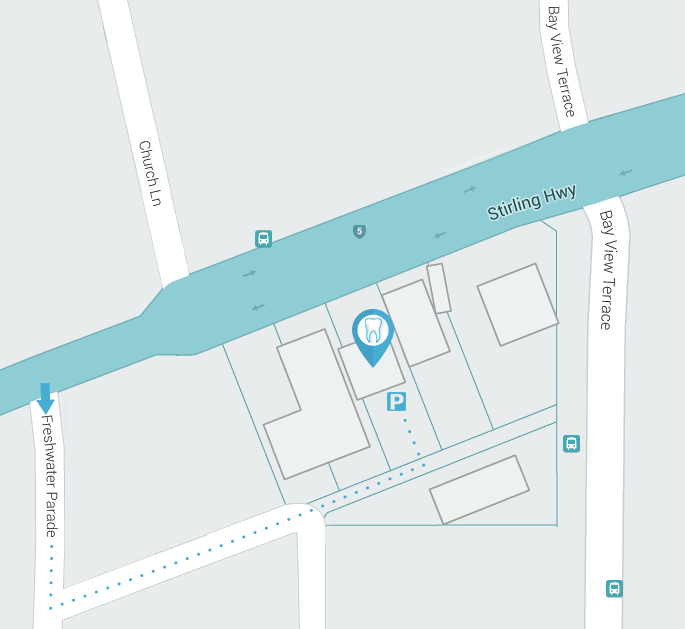
Contact a dental practice immediately. For our patients, Bayview Dental prioritises dental emergencies and will see you as quickly as possible. If the trauma occurs after hours, seek emergency dental care or visit the nearest hospital emergency department.
The golden window for tooth reimplantation is within 30 minutes to 1 hour.
Even if more time has passed, bring the tooth anyway—there’s still a possibility of saving it, especially if it’s been stored properly.
During transport, keep the tooth moist in its storage medium, control any bleeding with gauze, and manage pain with over-the-counter pain relief if appropriate (avoid aspirin for children).
What to Expect at the Dental Surgery
When you arrive for emergency treatment, the dentist will work quickly to assess the situation. Here’s what typically happens:
Initial Examination
The dentist will examine the injured area, assess the condition of the knocked-out tooth, check for other dental injuries, and may take X-rays to evaluate the bone and surrounding structures.
Reimplantation Procedure
If the tooth hasn’t been reinserted already, the dentist will clean the socket, carefully reposition the tooth, and then stabilise it with a splint (a thin wire bonded to neighbouring teeth). The entire area will be cleaned thoroughly, and you may receive antibiotics to prevent infection.
Follow-Up Care Plan
You’ll be given specific instructions for caring for the reimplanted tooth, scheduled for follow-up appointments to monitor healing, and possibly referred to a specialist if needed. If the tooth cannot be saved, the dentist will discuss replacement options.
Special Considerations for Children
Dental trauma is particularly common in children aged 7-12 who are active in sports and play. There are important differences in how we handle knocked-out teeth in children:
Baby Teeth: These are not replanted because reimplantation could damage the developing permanent tooth underneath. However, you should still see a dentist promptly to ensure no fragments remain and to monitor the permanent tooth’s development.
Permanent Teeth: These should be treated the same as adult teeth—reimplant if possible and seek emergency dental care immediately.
Young Children’s Cooperation: Younger children may not be able to hold a tooth in their mouth safely. In these cases, a parent can hold the tooth between their own cheek and gum during transport, or use the milk storage method.
Long-Term Outlook and Possible Complications
Even with successful reimplantation, a knocked-out tooth may face challenges. The tooth may darken over time, root resorption (where the body gradually breaks down the root) can occur, the nerve inside the tooth often dies and requires root canal treatment, and there’s a risk of infection in the surrounding bone.
Regular follow-up appointments are essential. Bayview Dental Claremont will monitor the tooth with periodic X-rays for at least five years to catch any complications early.
Prevention: Protecting Your Family’s Smiles
While accidents happen, many dental injuries can be prevented:
For Sports: Ensure children and adults wear properly fitted mouthguards during contact sports and high-risk activities. Custom-fitted mouthguards from your dentist offer the best protection.
At Home: Use childproof gates on stairs, keep floors clear of toys and tripping hazards, supervise young children during play, and ensure playgrounds have appropriate safety surfacing.
Vehicle Safety: Always use proper car seats and seatbelts to prevent facial injuries during accidents.
When to Seek Immediate Emergency Care
Contact a dentist or visit an emergency department immediately if:
- A permanent tooth has been knocked out completely
- A tooth is loose, pushed out of position, or pushed up into the gum
- There’s uncontrolled bleeding from the mouth
- There are signs of jaw fracture (inability to close mouth properly, severe pain)
- There’s loss of consciousness, confusion, or signs of head injury
- A baby tooth is knocked out (still needs assessment, though won’t be replanted)
What If the Tooth Cannot Be Saved?
If a permanent tooth cannot be successfully reimplanted or doesn’t survive, several replacement options are available. Your Claremont dentist can discuss dental implants (the most permanent solution), dental bridges (using adjacent teeth for support), or partial dentures (for children while waiting until they’re old enough for implants).
The most important thing is to address the missing tooth. Leaving a gap can lead to surrounding teeth shifting, bite problems, bone loss in the jaw, and difficulties with eating and speaking.
Why Choose Emergency Dental Care at Bayview Dental
When dental trauma strikes, you want a dental practice that understands the urgency and stress your family is experiencing. Bayview Dental’s Claremont location serves Perth’s western suburbs with prompt emergency care when you need it most.
We prioritise dental emergencies, have experience with all types of dental trauma, provide gentle care for anxious children and adults, and offer comprehensive follow-up care to give your tooth the best chance of long-term success.
Be Prepared: Creating a Dental Emergency Kit
Every Perth family should have a basic dental emergency kit at home and in the car. Include:
- The emergency number for Bayview Dental
- A small container with a lid for tooth storage
- Sterile gauze pads
- Saline solution (or know that milk is your best option)
- Over-the-counter pain relief appropriate for your family
- Emergency contact numbers
- A cold pack
A knocked-out tooth is undoubtedly frightening, but with the right knowledge and swift action, you can give that tooth its best chance of survival. Remember the key points: handle the tooth by the crown only, keep it moist at all times, get to a dentist within 30-60 minutes, and stay calm to help the injured person stay calm.
For Perth families in Claremont, Cottesloe, Nedlands, and surrounding western suburbs, being prepared means understanding what to do in those critical first moments and knowing where to turn for immediate, expert care. Keep this guide handy, talk to your children about dental safety, and remember that when it comes to dental trauma, every minute matters.
If you’re experiencing a dental emergency in Claremont or surrounding Perth areas, contact Bayview Dental immediately. We’re here to help your family when you need us most.


 .
.